


Aligning with Your Teen: Effective Communication Strategies to Tackle porn, gaming, social media and Tech Addiction Together

Tech addiction among teens is a growing concern for many parents. Whether it’s excessive gaming, social media use, or struggles with online pornography, these behaviors can create tension and conflict at home. Parents often find themselves in a battle of wills, trying to control their teen’s screen time or monitor their online activities. This approach can backfire, leading to resistance, secrecy, and damaged trust.
Instead of positioning yourself as the “enforcer” and your teen as the “rule-breaker,” a more effective strategy is to align with your teen against the problem. This means working together as a team to understand the challenges of tech addiction and find solutions that respect your teen’s autonomy while protecting their well-being. This post offers practical guidance based on clinical practice and research, along with a real-life case example to help you communicate better with your teen and tackle tech addiction together.

Understanding Tech Addiction in Teens
Tech addiction refers to excessive or compulsive use of digital devices and platforms that interferes with daily life. For teens, common areas include:
Gaming addiction: Spending many hours playing video games, often to escape stress or social challenges.
Social media addiction: Constantly checking apps like Instagram, TikTok, or Snapchat, seeking validation or connection.
Pornography addiction: Repeated viewing of online adult content, which can affect emotional development and relationships.
Research shows that tech addiction activates reward centers in the brain, similar to other addictive behaviors. Teens are especially vulnerable because their brains are still developing impulse control and decision-making skills. This makes it harder for them to self-regulate and stop problematic use on their own.
Parents who approach the issue with judgment or punishment often trigger defensiveness. Teens may hide their behavior or push back, worsening the problem. Instead, experts recommend a collaborative approach that builds trust and mutual respect.
Why Aligning with Your Teen Works Better
Aligning with your teen means you position yourselves as partners facing a shared challenge. You are not “against” your teen but against the addiction itself. This approach:
Reduces conflict by avoiding blame and criticism.
Builds trust through open, honest communication.
Empowers your teen to take responsibility with your support.
Encourages problem-solving rather than rule enforcement.
Clinical practice supports this strategy. Therapists use motivational interviewing techniques to engage teens in conversations about their tech use without judgment. This helps teens explore their own reasons for change and feel heard.
How to Start Aligning Conversations
Here are some communication strategies to help you align with your teen:
1. Express Empathy and Curiosity
Begin by showing you want to understand, not punish. Use phrases like:
“I’ve noticed you spend a lot of time gaming lately. Can you tell me what you enjoy about it?”
“I’m curious about what social media means to you and your friends.”
This opens dialogue without triggering defensiveness.
2. Share Your Concerns Calmly
Explain your worries without blaming:
“I’m concerned because I see that gaming is affecting your sleep and mood.”
“I want to make sure you’re safe and healthy online.”
Focus on the impact, not the behavior itself.
3. Collaborate on Goals and Limits
Invite your teen to help set reasonable boundaries:
“What do you think is a fair amount of screen time each day?”
“How can we work together to make sure tech doesn’t interfere with school or family time?”
This respects their input and increases buy-in.
4. Problem-Solve Together
If your teen struggles to stick to limits, brainstorm solutions as a team:
Using apps that track screen time.
Scheduling tech-free family activities.
Finding offline hobbies they enjoy.
5. Reinforce Positive Changes
Acknowledge efforts and improvements:
“I noticed you took a break from gaming to hang out with us. That means a lot.”
“Thanks for talking openly about your social media use.”
Positive feedback encourages continued progress.
Clinical Research Supporting This Approach
A 2021 study published in the Journal of Adolescent Health found that teens whose parents used supportive communication strategies were 40% more likely to reduce problematic gaming behaviors. The study emphasized that parental empathy and collaboration predicted better outcomes than strict rules or punishment.
Another clinical trial involving families dealing with internet addiction showed that motivational interviewing increased teens’ motivation to change and improved family relationships. Therapists guided parents to listen actively and avoid confrontational language, which helped teens feel respected and understood.
Case Example: How One Family Turned Tech Conflict into Teamwork
The Johnson family faced daily battles over their 15-year-old son’s gaming. He played up to 8 hours a day, skipping homework and avoiding family meals. Mom and Dad tried taking away devices, but he became secretive and angry.
They decided to try a different approach after consulting a family therapist. Here’s what they did:
Empathy first: They sat down and asked their son what gaming meant to him. He shared it helped him relax and connect with friends.
Shared concerns: They explained how his gaming affected his grades and mood, without blaming.
Goal setting: Together, they agreed on a daily limit of 2 hours on school days and 3 on weekends.
Problem-solving: They helped him find a local soccer team to join, giving him a fun offline activity.
Positive reinforcement: They praised him when he stuck to the limits and joined family dinners.
Over three months, the son’s gaming time decreased, his grades improved, and family tension eased. The key was working as a team rather than opponents.
Tips for Maintaining Alignment Over Time
Keep conversations ongoing, not one-time talks.
Be patient; change takes time and setbacks happen.
Model healthy tech habits yourself.
Encourage offline social connections and activities.
Seek professional help if addiction worsens or causes serious problems.
When to Seek Additional Support
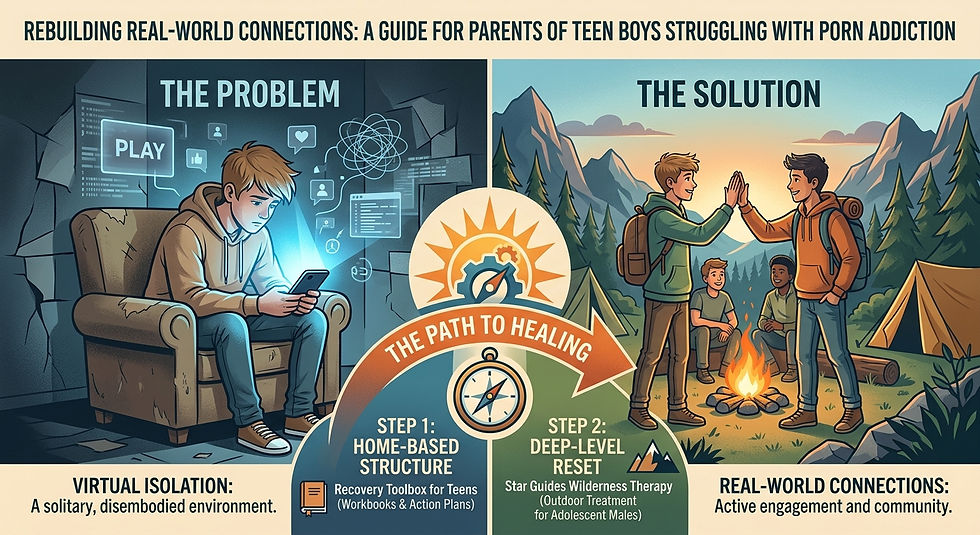
if media use including pornography, gaming and social media causes distress or interferes with daily life. Therapists or counselors specializing in adolescent addiction can offer tailored guidance and support. Utilize the Recovery Toolbox for Teens for a structured approach to the treatment that provides support for both your teen and you as a parent.



Comments