


Empowering Parents: Tackling Brain Fog in Teens Struggling with porn, gaming and Digital Overstimulation

Every parent notices when their teen seems distracted, forgetful, or just not quite themselves. You might hear complaints about struggling with homework, losing track of simple tasks, or feeling mentally "foggy." This isn’t just typical teenage moodiness or tiredness. It’s often a sign of brain fog, a state where focus and memory become clouded. For many teens today, brain fog is linked to chronic digital overstimulation, especially from excessive screen time and exposure to fast-paced, dopamine-triggering content, particularly pornography.
This post will help parents understand what brain fog looks like in teens, why it happens, and practical ways to help their children regain mental clarity and focus. By addressing the root causes and offering clear strategies, you can support your teen’s developing brain to cut through the haze and engage fully with their lives.

What Brain Fog Feels Like for Teens
Brain fog is more than just feeling tired. Teens describe it as:
Difficulty concentrating on schoolwork or conversations
Forgetting simple tasks like homework assignments or appointments
Feeling mentally sluggish or slow to process information
Trouble making decisions or solving problems
A sense of being overwhelmed by even small challenges
These symptoms can make daily life frustrating and impact academic performance, social interactions, and self-esteem. When teens say their brain feels like it’s “running on dial-up,” they are describing this clouded mental state.
Why Brain Fog Happens in Teens
Several factors contribute to brain fog, especially in teens facing digital overstimulation:
1. Sleep Deprivation
Teens need about 8-10 hours of sleep, but many get less due to late-night screen use and busy schedules. Poor sleep disrupts memory consolidation and focus.
2. Academic Stress
Pressure to perform well in school can cause anxiety and mental fatigue, which worsen brain fog.
3. Screen Overload
Constant exposure to fast-moving digital content floods the brain with dopamine, a chemical linked to pleasure and reward. This overstimulation can reduce the brain’s ability to focus on slower, more demanding tasks like studying.
4. Lack of Physical Activity
Sitting for long periods and minimal exercise reduce blood flow to the brain, which affects alertness and cognitive function.
5. Poor Nutrition
Skipping meals or eating high-sugar, low-nutrient foods can cause energy crashes and impair brain function.
How Digital Overstimulation Affects the Developing Brain
The teenage brain is still developing, especially areas responsible for impulse control, attention, and memory. When teens spend hours on screens filled with rapid notifications, videos, and games, their brains become wired for constant stimulation. This makes it harder to focus on tasks that require sustained attention.
The dopamine spikes from digital content create a cycle where teens seek more stimulation to feel alert, but this actually deepens brain fog when they try to switch to quieter activities like reading or homework.
Practical Strategies to Help Teens Clear Brain Fog
Parents can support their teens by helping them build habits that restore mental sharpness and reduce digital overload.
Set Healthy Screen Boundaries
Establish tech-free times, especially before bed and during homework
Encourage breaks from screens every 30-45 minutes to rest the brain
Use apps or settings to limit notifications and screen time
Prioritize Sleep
Create a consistent bedtime routine without screens at least 1 hour before sleep
Keep bedrooms dark and cool to improve sleep quality
Talk about the importance of sleep for brain health
Encourage Physical Activity
Aim for at least 30 minutes of exercise daily, like walking, biking, or sports
Suggest activities that get the heart rate up to boost brain oxygenation
Support Balanced Nutrition
Provide meals with protein, healthy fats, and whole grains to sustain energy
Limit sugary snacks and drinks that cause energy crashes
Teach Focus Techniques
Help teens break tasks into smaller steps with short breaks in between
Use tools like timers or checklists to stay organized
Practice mindfulness or breathing exercises to reduce stress and improve attention
Foster Open Communication
Listen without judgment when teens talk about feeling overwhelmed
Discuss how digital habits affect their mood and focus
Collaborate on setting goals for healthier tech use
When to Seek Professional Help
If brain fog persists despite lifestyle changes, or if your teen shows signs of depression, anxiety, or addiction to digital content, consider consulting a healthcare professional. Therapists or counselors can provide tailored support and strategies.
Helping teens cut through brain fog means addressing the full picture: sleep, stress, nutrition, physical activity, and digital habits. By guiding your teen to balance their digital life with healthy routines, you help their brain regain clarity and focus. This support empowers them to engage fully with school, friends, and their own growth.
Start small with one or two changes and build from there. Your consistent support can make a big difference in helping your teen reclaim mental sharpness and confidence.
Resources for Parents and Teens
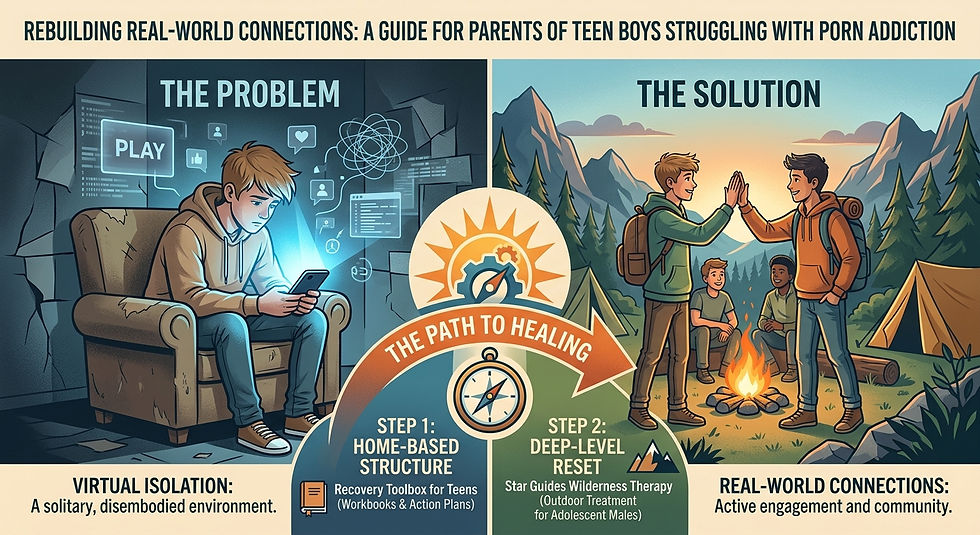
If pornography use is causing significant distress or interfering with daily life, consider consulting a counselor or therapist experienced in adolescent addiction. Early intervention can prevent long-term problems. If your teen struggles with severe addiction or emotional distress, consider professional help. Therapists specializing in adolescent addiction can provide tailored strategies and counseling. Use the Recovery Toolbox for Teens, a comprehensive, structured program designed to deliver evidence-based treatment while offering meaningful guidance and support for both your adolescent and you as a parent throughout the recovery process.
In cases where serious safety risks or unmanageable behavioral issues are present—such as sexually acting out or having experienced sexual abuse, engagement in high-risk online behaviors, severe mental health crises (including suicidality, self-harm, debilitating anxiety, or depression), or when a teen has become entirely unresponsive to parental authority and the cycle of addictive or compulsive behavior can no longer be safely interrupted within the home environment—an intensive, highly structured therapeutic intervention is often essential. Star Guides Wilderness Therapy provides precisely this level of care: a clinically sophisticated, wilderness-based program specifically designed to stabilize acute risks, restore emotional regulation, and rebuild healthy family dynamics when standard outpatient or home-based approaches are no longer sufficient. This proven next-step intervention offers the containment, expert oversight, and transformative experiences that can mark the turning point toward lasting healing.


Comments