


The Importance of Intensive Therapeutic Interventions in Managing Serious Teen Behavioral Issues

When teens face serious behavioral challenges, such as acting out sexually, engaging in high-risk online activities, or experiencing severe mental health crises, the usual home environment often cannot provide the support they need. These situations demand more than just parental guidance or standard counseling. Intensive, highly structured therapeutic interventions become essential to help teens regain control, safety, and hope. Programs like Star Guides Wilderness Therapy offer this critical level of care, providing a safe space where teens can heal and rebuild.

Understanding When Intensive Intervention Is Necessary
Not all behavioral issues require intensive treatment. Many teens respond well to family support, school counseling, or outpatient therapy. However, certain behaviors signal that a teen needs more structured care:
Sexually acting out or history of sexual abuse: These behaviors often indicate deep trauma that requires specialized therapeutic approaches.
High-risk online behaviors: Activities such as sexting, cyberbullying, or engaging with dangerous online communities can escalate quickly and pose serious safety risks.
Severe mental health crises: Suicidality, self-harm, debilitating anxiety, or depression can overwhelm families and require immediate, focused intervention.
Complete unresponsiveness to parental authority: When teens no longer respond to boundaries or attempts to interrupt addictive or compulsive behaviors, home-based interventions may fail.
In these cases, intensive therapeutic programs provide a structured environment where teens can receive consistent care, supervision, and therapeutic support.
What Intensive Therapeutic Interventions Look Like
Intensive programs combine multiple therapeutic approaches tailored to each teen’s needs. These may include:
Individual therapy: One-on-one sessions with licensed therapists to address trauma, mental health disorders, and behavioral patterns.
Group therapy: Peer support groups that foster connection and accountability.
Family therapy: Involving parents and caregivers to rebuild trust and improve communication.
Skill-building activities: Teaching coping mechanisms, emotional regulation, and problem-solving skills.
Structured daily routines: Providing predictability and safety, which are crucial for teens struggling with chaos or impulsivity.
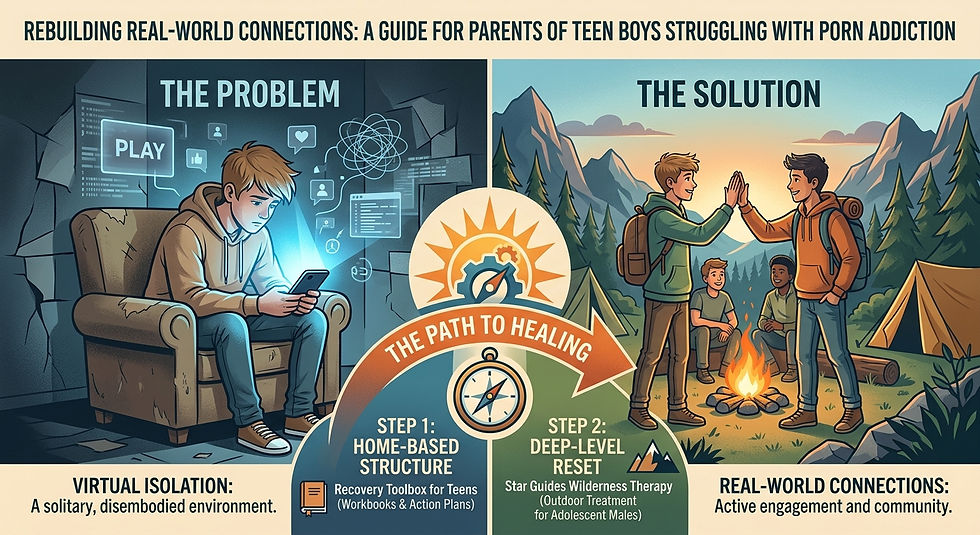
Wilderness therapy, such as that offered by Star Guides, adds an outdoor component that encourages physical activity, reflection, and connection with nature. This setting often helps teens open up and engage more fully in their healing process.
Why Wilderness Therapy Works for Serious Cases
Wilderness therapy stands out because it removes teens from their usual environment, which may be filled with triggers or negative influences. The natural setting offers:
Reduced distractions: Away from screens, social pressures, and unhealthy relationships.
Physical challenge: Activities like hiking or camping build resilience and self-confidence.
Therapeutic environment: Nature has proven calming effects that support mental health.
Close supervision: Staff monitor behaviors closely, ensuring safety and immediate intervention if needed.
For teens who have become unresponsive to parental authority, this change of environment can break destructive cycles and open the door to new perspectives.
Real-Life Impact of Intensive Therapeutic Care
Consider a teen who was engaging in dangerous online behaviors and had become withdrawn and depressed. After enrolling in an intensive wilderness therapy program, the teen experienced:
Improved emotional regulation through daily therapy sessions.
Increased physical health and energy from outdoor activities.
Rebuilt trust with family during structured family therapy.
New coping skills that helped resist online temptations.
This comprehensive approach helped the teen return home with tools to maintain progress and a renewed sense of hope.
Supporting Families Through the Process
Families often feel overwhelmed when their teen faces serious behavioral issues. Intensive therapeutic programs provide:
Clear communication: Regular updates and involvement in treatment plans.
Education: Helping families understand the teen’s challenges and how to support recovery.
Aftercare planning: Preparing for the teen’s transition back home with ongoing support.
This partnership between therapists and families increases the chances of lasting success.



Comments