


Understanding Teen Pornography Addiction: Patterns, Legal Risks, and Hopeful Recovery Solutions

Pornography addiction among teenagers is a growing concern for many parents. What often begins as curiosity or occasional viewing can develop into a compulsive behavior with serious consequences. Some teens experience a pattern of increasing tolerance, which can lead them to seek out more extreme and deviant content, including illegal material such as child pornography. This progression not only harms the teen’s mental and emotional health but also exposes them to severe legal risks, including FBI investigations and federal charges.
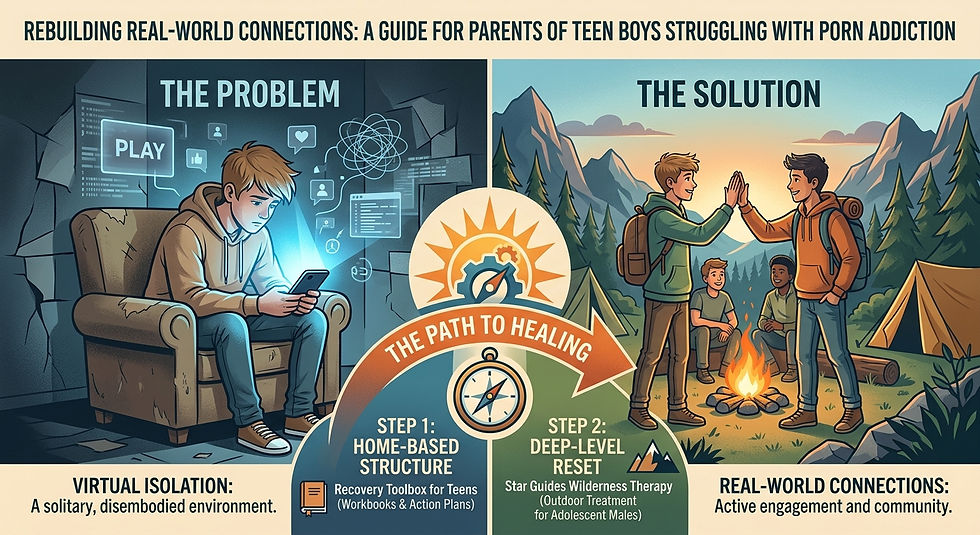
This post aims to help parents understand this troubling pattern, recognize the legal dangers involved, and find hope through effective treatment options like the Recovery Toolbox for Teens and Star Guides Wilderness Therapy.
How Teen Pornography Addiction Develops and Escalates
Pornography addiction in teens often starts with casual exposure, sometimes as early as pre-adolescence. Over time, the brain’s reward system adapts to the repeated stimulation, requiring more intense or novel content to achieve the same effect. This process is called tolerance.
Initial exposure: Many teens first encounter pornography through peers or online searches.
Increased consumption: As tolerance builds, teens spend more time viewing pornography and seek out more explicit or unusual material.
Escalation to deviant genres: Some teens progress to illegal content, including child pornography, driven by the need for stronger stimuli.
This pattern is dangerous because it can trap teens in a cycle of addiction that is difficult to break without professional help.
The Legal Risks Parents Need to Know
Viewing or possessing child pornography is a federal crime in the United States and many other countries. Teens caught with such material face serious consequences:
FBI investigation: Law enforcement agencies actively monitor and investigate illegal online activity involving child pornography.
Federal charges: Possession, distribution, or creation of child pornography can lead to felony charges, including mandatory registration as a sex offender.
Long-term impact: Convictions can affect education, employment, and personal relationships for years to come.
Parents should understand that even unintentional involvement with illegal content can trigger these legal actions. Early intervention is critical to prevent teens from reaching this point.
Signs Your Teen May Be Struggling with Pornography Addiction
Recognizing the signs of pornography addiction can be challenging, but some behaviors may indicate a problem:
Spending excessive time alone on electronic devices, especially late at night
Secretive or defensive behavior about internet use
Declining academic performance or loss of interest in activities
Mood swings, irritability, or withdrawal from family and friends
Evidence of viewing or searching for unusual or illegal content
If you notice these signs, it is important to approach your teen with care and seek professional guidance.

Treatment Options That Offer Hope
Despite the severity of pornography addiction and its consequences, recovery is possible. Two recommended interventions for teens are the Recovery Toolbox for Teens and Star Guides Wilderness Therapy.
Recovery Toolbox for Teens
This program provides practical tools and strategies to help teens manage urges, rebuild healthy habits, and develop emotional resilience. Key features include:
Cognitive-behavioral techniques tailored for adolescents
Support for parents to understand and assist their child’s recovery
Focus on building self-control and healthy coping skills
If pornography and/or dangerous online sexual behaviors is causing significant distress or interfering with daily life, consider consulting a counselor or therapist experienced in adolescent addiction. Early intervention can prevent long-term problems. If your teen struggles with severe addiction or emotional distress, consider professional help. Therapists specializing in adolescent addiction can provide tailored strategies and counseling. Use the Recovery Toolbox for Teens, a comprehensive, structured program designed to deliver evidence-based treatment while offering meaningful guidance and support for both your adolescent and you as a parent throughout the recovery process.
Star Guides Wilderness Therapy
In cases where serious safety risks or unmanageable behavioral issues are present—such as sexually acting out or having experienced sexual abuse, engagement in high-risk online behaviors, severe mental health crises (including suicidality, self-harm, debilitating anxiety, or depression), or when a teen has become entirely unresponsive to parental authority and the cycle of addictive or compulsive behavior can no longer be safely interrupted within the home environment—an intensive, highly structured therapeutic intervention is often essential. Star Guides Wilderness Therapy provides precisely this level of care: a clinically sophisticated, wilderness-based program specifically designed to stabilize acute risks, restore emotional regulation, and rebuild healthy family dynamics when standard outpatient or home-based approaches are no longer sufficient. This proven next-step intervention offers the containment, expert oversight, and transformative experiences that can mark the turning point toward lasting healing.
Wilderness therapy combines outdoor experiences with therapeutic support to help teens break free from addiction. Benefits include:
Removal from triggering environments and technology
Structured activities that promote teamwork, responsibility, and self-discovery
Professional counseling integrated with physical challenges
Both programs emphasize a holistic approach, addressing the emotional, psychological, and behavioral aspects of addiction.
How Parents Can Support Their Teens
Parents play a crucial role in helping teens recover from pornography addiction. Here are some practical steps:
Open communication: Create a safe space for your teen to talk without judgment.
Set clear boundaries: Establish rules around internet use and monitor online activity.
Seek professional help: Contact therapists or programs specializing in adolescent addiction.
Educate yourself: Learn about addiction patterns and legal risks to better understand your teen’s experience.
Encourage healthy activities: Promote hobbies, sports, and social interactions that build self-esteem.
Remember, recovery is a process that requires patience and consistent support.
Moving Forward with Confidence
Pornography addiction in teens is a serious issue that can lead to dangerous behaviors and legal troubles. Understanding the pattern of increasing tolerance and the risks involved helps parents take timely action. Programs like the Recovery Toolbox for Teens and Star Guides Wilderness Therapy offer effective paths to healing.
If you suspect your teen is struggling, reach out for help. Early intervention can protect your child’s future and restore hope for a healthy, balanced life.



Comments