


Comprehensive Behavioral Health Care Services in Southern Utah Explained

When life feels overwhelming, or when you or someone you care about struggles with emotional or mental challenges, knowing where to turn can make all the difference. Behavioral health care offers a broad range of support designed to help people of all ages navigate these challenges with compassion and expertise. I want to walk you through what comprehensive behavioral health care in Southern Utah really means, how it can help, and what you can expect when seeking these services.
Understanding Behavioral Health Care: What It Encompasses
Behavioral health care is a holistic approach to mental and emotional well-being. It goes beyond just treating symptoms; it focuses on the whole person, including their habits, lifestyle, and environment. This type of care includes prevention, diagnosis, treatment, and recovery support for mental health conditions, substance use disorders, and other behavioral challenges.
Some key components of behavioral health care include:
Therapy and Counseling: Individual, group, or family sessions that help people process emotions, develop coping skills, and improve relationships.
Medication Management: When appropriate, psychiatric medications can be prescribed and monitored to support mental health.
Crisis Intervention: Immediate support during acute episodes of distress or danger.
Addiction Treatment: Specialized programs to help individuals overcome substance use disorders.
Case Management: Coordinating care and connecting individuals with community resources.
This comprehensive approach ensures that care is tailored to each person’s unique needs, promoting long-term wellness and resilience.

Why Behavioral Health Care Matters for Everyone
Behavioral health care is not just for those with diagnosed mental illnesses. It’s for anyone who wants to improve their emotional well-being, manage stress, or address life’s challenges more effectively. Children, teens, adults, parents, and families all benefit from these services.
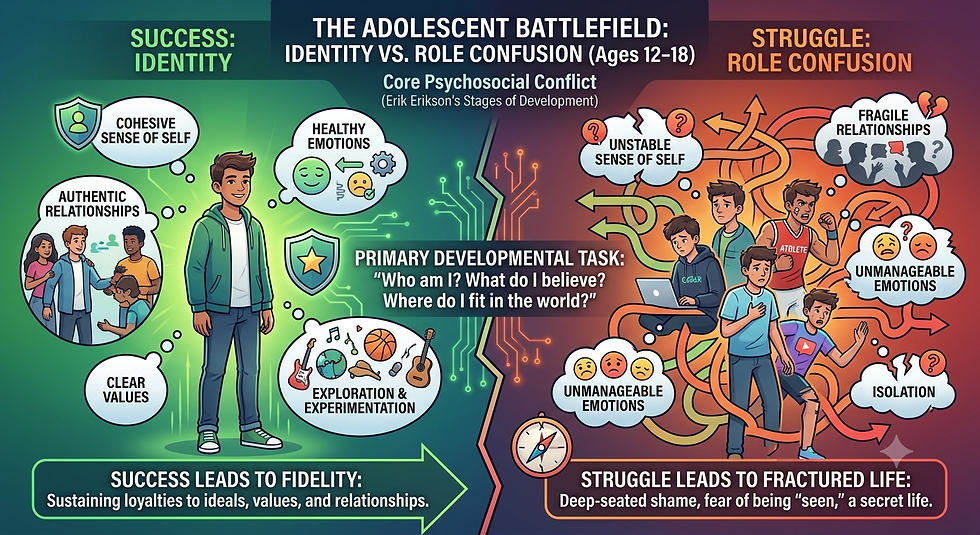
For example, a child struggling with anxiety might receive play therapy to express feelings they can’t yet put into words. A teen facing depression could work with a counselor to develop healthy coping strategies. Adults dealing with addiction might join a structured recovery program that includes both therapy and medical support. Parents can learn new ways to support their children’s emotional health, and families can improve communication and resolve conflicts together.
Behavioral health care helps build stronger, healthier communities by addressing issues early and providing ongoing support.
Are behavioral health and mental health the same?
This is a common question, and the answer is both yes and no. Mental health is a part of behavioral health, but behavioral health is a broader term. Mental health specifically refers to our emotional, psychological, and social well-being. It affects how we think, feel, and act.
Behavioral health includes mental health but also covers behaviors that impact overall well-being, such as substance use, eating habits, and lifestyle choices. For instance, someone might have good mental health but struggle with behaviors like smoking or unhealthy eating, which behavioral health care would address.
Understanding this distinction helps us appreciate the full scope of care available and why a comprehensive approach is so important.
How to Access and Benefit from Behavioral Health Services
If you or a loved one is considering behavioral health care, here are some practical steps to get started and make the most of your experience:
Identify Your Needs: Reflect on what challenges you’re facing. Are you dealing with stress, anxiety, depression, addiction, or family conflicts? Knowing your goals helps guide the care you seek.
Find a Trusted Provider: Look for a provider with experience in the specific area you need help with. For example, Therapy Associates in Southern Utah offers a wide range of specialized programs tailored to different age groups and conditions.
Ask Questions: Don’t hesitate to ask about treatment options, what to expect in sessions, and how progress will be measured.
Engage Actively: Behavioral health care works best when you participate fully. Attend sessions regularly, practice skills learned, and communicate openly with your provider.
Utilize Support Networks: Involve family or friends if appropriate. Support from loved ones can enhance recovery and well-being.
Be Patient: Healing and growth take time. Celebrate small victories and stay committed to your journey.
Remember, seeking help is a sign of strength, and you deserve compassionate care that respects your unique story.

The Role of Community and Family in Behavioral Health Care
Behavioral health care is not just an individual journey; it often involves the community and family. Support systems play a crucial role in recovery and ongoing wellness. Families can learn how to create a nurturing environment that encourages open communication and emotional safety.
Community programs, schools, and workplaces can also contribute by promoting awareness, reducing stigma, and providing resources. For example, schools might offer counseling services or workshops on stress management for students. Local organizations may host support groups or educational events.
By working together, we create a network of care that strengthens everyone’s ability to thrive.
Moving Forward with Confidence and Hope
Navigating behavioral health care can feel daunting, but you are not alone. With the right information and support, you can find services that meet your needs and help you or your loved ones live healthier, more fulfilling lives.
If you’re ready to explore options, consider reaching out to trusted providers who offer comprehensive care tailored to your situation. Remember, taking the first step is often the hardest, but it opens the door to healing and growth.
Together, we can build a future where behavioral health care is accessible, effective, and compassionate for all.
If you want to learn more about behavioral health services, don’t hesitate to visit trusted local providers who are dedicated to supporting you every step of the way.

Comments