


The Benefits of Intensive Outpatient Programs for Children and teens

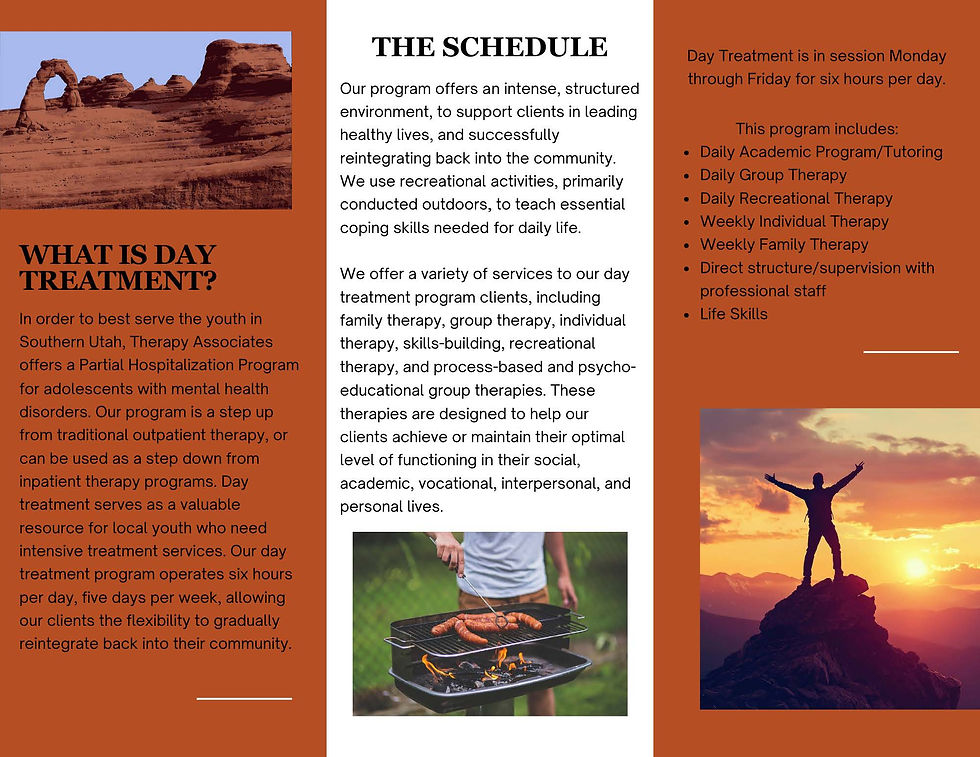
When life feels overwhelming, finding the right support can make all the difference. Sometimes, your child might need more help than traditional therapy sessions but not require full-time hospitalization. That’s where intensive outpatient care steps in. It offers a flexible, effective way to get the treatment you need while still living at home and maintaining daily routines. Therapy Associates in St. George, Utah offers both a partial hospitalization (PHP) program and an intensive outpatient (IOP) treatment program.
Let’s explore what makes this approach so valuable and how it can support healing and growth.
Understanding Intensive Outpatient Care and Its Role
Intensive outpatient care is a structured treatment program designed for children and teens who need more support than weekly therapy but don’t require 24/7 supervision. It typically involves attending therapy sessions several times a week for a few hours each day. This setup allows them to receive comprehensive care while continuing to go to school and reside at the family home.
This balance is crucial. It means they can apply new skills and coping strategies in real-life situations immediately, with the safety net of professional guidance.
Why Choose Intensive Outpatient Care?
Flexibility: You can maintain daily life while your child is getting the help they need.
Community Support: Group therapy sessions foster connection and shared experiences.
Comprehensive Treatment: Combines individual therapy, group work, and sometimes family counseling.
Cost-Effective: Less expensive than inpatient care but more intensive than standard outpatient therapy.
If your child or teen is navigating mental health challenges or addiction, this approach can be a powerful step toward recovery.

What is the meaning of intensive outpatient care?
Intensive outpatient care means receiving treatment that is more frequent and focused than typical outpatient therapy but without the need to stay overnight in a facility. It’s designed for children and teens who require a higher level of care than weekly therapy but can still live safely at home.
This type of care often includes:
Multiple therapy sessions per week: Usually 3-5 days, 3-4 hours each.
Varied therapeutic approaches: Cognitive-behavioral therapy, dialectical behavior therapy, and more.
Skill-building activities: Stress management, relapse prevention, and emotional regulation.
Medical monitoring: For those with co-occurring physical health issues or medication needs.
The goal is to provide intensive support while encouraging independence and real-world application of treatment.
How Intensive Outpatient Programs Support Healing
One of the biggest advantages of intensive outpatient programs is their ability to blend structure with flexibility. You get the benefits of a supportive environment without the isolation of inpatient care.
Here’s how these programs help:
1. Personalized Treatment Plans
Each person’s journey is unique. Intensive outpatient care starts with a thorough assessment to tailor the program to your child's specific needs. This might include individual therapy, group sessions, family involvement, and medication management.
2. Building a Support Network
Group therapy is a cornerstone of intensive outpatient care. Sharing experiences with others facing similar challenges can reduce feelings of isolation and build a sense of community. It’s a safe space to practice new skills and receive encouragement.
3. Developing Practical Skills
Therapists guide you through techniques to manage stress, handle triggers, and improve communication. These skills are essential for long-term recovery and can be practiced daily.
4. Maintaining Daily Life
Because your child doesn't have to stay overnight, you can continue working, caring for family and managing life demands. This continuity helps maintain stability and motivation.
5. Smooth Transition to Independence
Intensive outpatient care often serves as a bridge between inpatient treatment and regular outpatient therapy. It supports gradual reintegration into everyday life with ongoing professional support.

Practical Tips for Making the Most of Intensive Outpatient Care
If you’re considering or already enrolled in your child in intensive outpatient care, here are some ways to maximize your experience:
Be Open and Honest: Share your thoughts and feelings with your therapist and group. Transparency helps tailor your care.
Set Realistic Goals: Work with your care team to set achievable milestones. Celebrate small victories.
Practice Skills Daily: Use the coping strategies learned in sessions throughout your day.
Stay Consistent: Attend all scheduled sessions to maintain momentum.
Involve Loved Ones: If appropriate, include family or close friends in your treatment to build a strong support system.
Ask Questions: Don’t hesitate to seek clarity about your treatment plan or progress.
Remember, recovery is a journey. Patience and persistence are key.
Why This Approach Works for Many
Intensive outpatient care is effective because it respects your child's need for both support and independence. It acknowledges that healing doesn’t happen in isolation but within the context of your everyday life.
By providing a structured yet flexible environment, it empowers your child to take control of your mental health. Your child learns to manage challenges with professional guidance while staying connected to your community and responsibilities.
If you are ready to explore this option, contact us today. We can help you understand the program details and find the right fit.
If you want to learn more about how intensive outpatient programs can support you or your family, Therapy Associates offers compassionate, expert care tailored to your needs. Our team is dedicated to helping you find balance and wellness every step of the way.



Comments