


Transforming Teen Struggles with Pornography: Beyond Will Power to Effective Evidence-Based Solutions

Many parents face a difficult challenge when their teenager struggles with pornography use. The common advice to "just try harder" or rely on will power often falls short. This approach can leave both parents and teens feeling frustrated and hopeless. Understanding why will power alone is a failing strategy and exploring better, research-backed methods can open the door to real progress and healing.

Why Will Power Often Fails in Overcoming Pornography Struggles
Will power is the ability to resist short-term temptations to meet long-term goals. While it sounds simple, relying on will power to stop pornography use is often ineffective for several reasons:
Pornography triggers deep brain reward systems. The brain releases dopamine, a feel-good chemical, reinforcing the behavior. This makes resisting urges extremely difficult, especially for developing teenage brains.
Will power is a limited resource. Research shows that will power can be depleted by stress, fatigue, or emotional upset. Teens facing school pressure, social challenges, or family conflict may have less will power available.
Pornography use often serves as a coping mechanism. Teens may turn to it to manage anxiety, loneliness, or boredom. Simply trying harder ignores the underlying emotional needs.
Shame and secrecy increase the problem. When teens feel judged or shamed, they hide their struggles, which can worsen feelings of isolation and make recovery harder.
Expecting a teen to overcome these challenges by sheer force of will is like asking someone to swim upstream without a life jacket. It’s no surprise that many attempts fail, leading to cycles of guilt and relapse.
Understanding Pornography Use as a Complex Issue
Pornography use in teens is not just a bad habit. It often involves:
Neurological changes: Repeated exposure rewires reward pathways, increasing cravings.
Emotional factors: Stress, trauma, or unmet emotional needs can drive use.
Behavioral patterns: Habits form through repeated actions, making stopping difficult without new routines.
Social influences: Peer pressure, easy access online, and cultural messages shape behavior.
Recognizing this complexity helps parents move beyond blaming will power and toward compassionate, effective support.
Evidence-Based Strategies That Work
Research and clinical practice suggest several strategies that help teens overcome pornography struggles more effectively than will power alone.
1. Build Awareness and Understanding
Encourage open, non-judgmental conversations about pornography. Teens need to understand:
How pornography affects their brain and emotions.
Why urges happen and what triggers them.
That struggling is common and not a moral failure.
This awareness reduces shame and empowers teens to take control.
2. Develop Healthy Coping Skills
Help teens find alternative ways to manage stress and emotions, such as:
Physical activity like sports or walking.
Creative outlets like drawing, writing, or music.
Mindfulness and relaxation techniques.
Talking with trusted friends or adults.
Replacing pornography with healthier coping methods reduces reliance on it.
3. Create Structured Routines and Boundaries
Establish clear daily routines that limit unstructured time, which often leads to temptation. Examples include:
Scheduled homework and study times.
Regular family meals and activities.
Screen time limits and parental controls on devices.
Structure helps reduce opportunities for pornography use.
4. Use Technology Wisely
Parental controls and filtering software can reduce access to pornography. However, technology alone is not enough. Combine it with education and trust-building.
5. Seek Professional Support When Needed
Therapists trained in adolescent behavior and addiction can provide tailored support. Approaches like cognitive-behavioral therapy (CBT) help teens:
Identify and change harmful thought patterns.
Develop problem-solving skills.
Address underlying emotional issues.
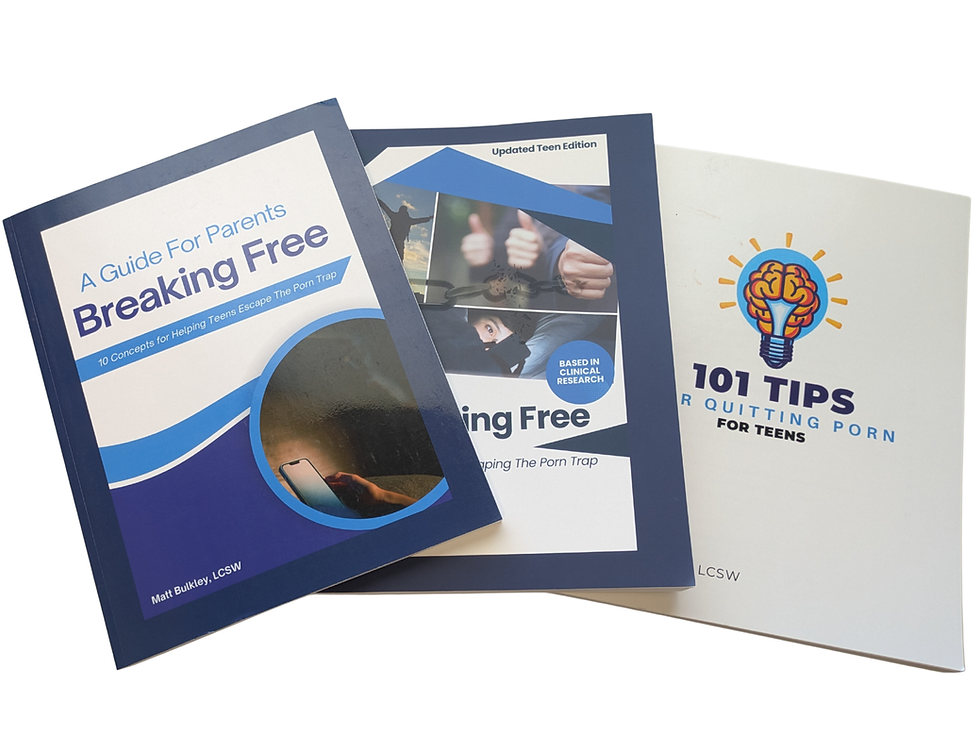
Professional help is especially important if pornography use is compulsive or linked to other mental health concerns. Therapists or counselors specializing in adolescent addiction can offer tailored guidance and support. Utilize the Recovery Toolbox for Teens for a structured approach to the treatment that provides support for both your teen and you as a parent.
When significant safety risks or behavioral concerns are present—such as sexual acting out, sexual abuse, dangerous online activity, severe mental health challenges (including suicidality, self-harm, anxiety, or depression), or when a teenager has become unresponsive to parental guidance and the addictive cycle can no longer be interrupted in the home environment—an intensive, structured intervention like Star Guides Wilderness Therapy may be the most appropriate and effective next step.
Supporting Your Teen with Compassion and Patience
Parents play a crucial role in recovery by:
Listening without judgment.
Expressing love and acceptance.
Encouraging small steps and celebrating progress.
Avoiding harsh punishments or shaming language.
Recovery is a journey, not a quick fix. Patience and understanding create a safe space for teens to heal.
Practical Example: Helping a Teen Build New Habits
Consider a 15-year-old named Alex who struggles with pornography use late at night. Instead of telling Alex to "just stop," parents could:
Talk openly about why Alex turns to pornography (e.g., stress from school).
Help Alex create a bedtime routine that includes reading or listening to calming music.
Set up parental controls to limit device use after 9 p.m.
Encourage Alex to join a sports team or club to reduce free time.
Praise Alex for small wins, like going a day without pornography.
This approach addresses triggers, builds new habits, and supports emotional needs.


Comments