


Understanding Cognitive Distortions in Your Teen's Battle with Pornography Addiction

When your teen faces intense cravings related to pornography addiction, their mind can become a battlefield. Inside, a powerful internal voice tries to justify giving in, making dangerous impulses feel harmless or even necessary. This voice uses mental tricks called cognitive distortions to twist reality and weaken your teen’s resolve. Understanding these distortions helps you recognize the lies your teen tells themselves during cravings and gives you tools to support them in regaining control before a relapse happens.

What Are Cognitive Distortions and Why They Matter
Cognitive distortions are biased ways of thinking that convince us of something that isn’t true. They are automatic and often go unnoticed. For teens struggling with pornography addiction, these distortions become mental traps during cravings. The brain uses them to reduce discomfort and justify giving in, even when the consequences are harmful.
These distortions are not unique to addiction but become especially dangerous when they fuel impulsive behavior. When your teen experiences a craving, their brain may distort reality to make the craving feel overwhelming or the relapse seem harmless. Recognizing these patterns early can prevent destructive choices.

Common Cognitive Distortions in Pornography Addiction
Catastrophizing Discomfort
One of the most common distortions is catastrophizing. Your teen might believe that the discomfort caused by cravings is unbearable or will last forever. Thoughts like “I can’t stand this feeling” or “This craving will never end” make the urge feel like a permanent, insurmountable problem.
This distortion increases anxiety and hopelessness, making the teen more likely to give in just to escape the pain. Helping your teen understand that cravings are temporary and manageable can reduce the power of catastrophizing.
The “Just One” Fallacy
This distortion minimizes the impact of a slip by convincing the teen that “just one” time won’t cause harm. The thought might be, “If I only look once, it won’t matter,” or “One relapse won’t ruin everything.”
This rationalization lowers the barrier to relapse by ignoring the long-term consequences of even a minor slip. It’s important to help your teen see that every choice matters and that “just one” can quickly lead back to old patterns.
Emotional Reasoning
Emotional reasoning occurs when your teen believes that because they feel a certain way, the feeling must reflect reality. For example, “I feel overwhelmed, so I must fail,” or “I feel like I need this, so I really do.”
This distortion blurs the line between feelings and facts. Emotions are powerful but not always accurate guides for decision-making. Teaching your teen to separate feelings from facts can help them resist impulsive urges.
How These Distortions Fuel Relapse
When cravings hit, the teenage brain is still developing, especially in areas responsible for impulse control and decision-making. This immaturity makes it easier for cognitive distortions to take hold. The brain’s natural desire to avoid discomfort pushes your teen toward quick relief, even if it means relapse.
For example, catastrophizing makes the craving feel unbearable, so the teen acts impulsively to stop the pain. The “just one” fallacy tricks the brain into thinking a slip is harmless, lowering resistance. Emotional reasoning convinces the teen that their feelings demand immediate action.
Understanding this internal sabotage helps parents see that relapse is not just a failure of willpower but a complex mental struggle.
Practical Ways to Help Your Teen Identify and Challenge These Lies
Encourage Open Conversations About Cravings
Create a safe space where your teen feels comfortable sharing their thoughts and feelings during cravings. Ask questions like:
What are you telling yourself right now?
How true do you think those thoughts are?
What would you say to a friend who had these thoughts?
This helps your teen become aware of their cognitive distortions and start questioning them.
Teach Them to Label Distortions
Help your teen recognize when they are catastrophizing, minimizing, or using emotional reasoning. Naming these distortions reduces their power. For example:
“That sounds like catastrophizing. Can you think of a time when a craving passed and you felt better?”
“Is ‘just one’ really harmless, or could it lead to more slips?”
Use Distraction and Delay Techniques
When cravings strike, encourage your teen to delay acting on the impulse. Simple distractions like going for a walk, listening to music, or doing a hobby can reduce the intensity of the craving. Remind them that discomfort is temporary and will pass.
Build a Support Network
Encourage your teen to connect with trusted adults, counselors, or support groups. Talking to others who understand the struggle can help counter distorted thinking and provide accountability.
Model Healthy Thinking
Show your teen how you challenge your own negative thoughts. Share examples of when you caught yourself catastrophizing or jumping to conclusions and how you corrected those thoughts.
Why Understanding Cognitive Distortions Benefits the Whole Family
When families understand the mental traps behind addiction cravings, they can respond with empathy instead of frustration. Recognizing that your teen’s internal voice is lying to them helps you avoid blame and instead offer support.
This knowledge also empowers you to guide your teen toward healthier thinking patterns and coping strategies. Over time, this can strengthen your teen’s ability to manage cravings and reduce relapse risk.
Resources for Parents and Teens
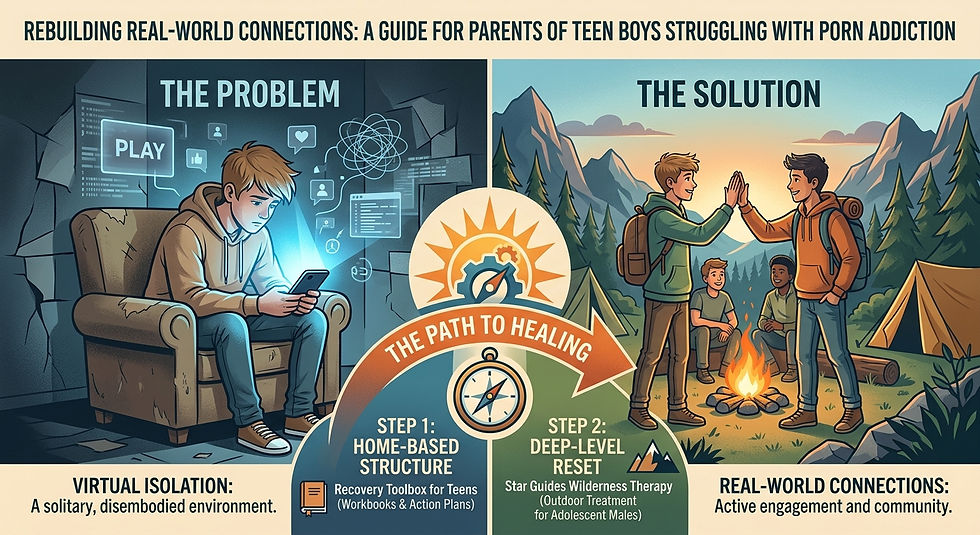
If pornography and/or dangerous online sexual behaviors is causing significant distress or interfering with daily life, consider consulting a counselor or therapist experienced in adolescent addiction. Early intervention can prevent long-term problems. If your teen struggles with severe addiction or emotional distress, consider professional help. Therapists specializing in adolescent addiction can provide tailored strategies and counseling. Use the Recovery Toolbox for Teens, a comprehensive, structured program designed to deliver evidence-based treatment while offering meaningful guidance and support for both your adolescent and you as a parent throughout the recovery process.
In cases where serious safety risks or unmanageable behavioral issues are present—such as sexually acting out or having experienced sexual abuse, engagement in high-risk online behaviors, severe mental health crises (including suicidality, self-harm, debilitating anxiety, or depression), or when a teen has become entirely unresponsive to parental authority and the cycle of addictive or compulsive behavior can no longer be safely interrupted within the home environment—an intensive, highly structured therapeutic intervention is often essential. Star Guides Wilderness Therapy provides precisely this level of care: a clinically sophisticated, wilderness-based program specifically designed to stabilize acute risks, restore emotional regulation, and rebuild healthy family dynamics when standard outpatient or home-based approaches are no longer sufficient. This proven next-step intervention offers the containment, expert oversight, and transformative experiences that can mark the turning point toward lasting healing.



Comments