


Understanding Objectification in Pornography: Impact on Teens and Their Relationships

Pornography use among teens is a growing concern for many parents. Beyond the obvious issues related to addiction and exposure to explicit content, there is a deeper, less discussed effect: objectification. This means seeing people as objects for sexual use rather than as whole individuals with feelings, thoughts, and dignity. This way of thinking can spill over into how teens view and treat others in their daily lives, damaging their ability to form authentic, meaningful relationships.
This post explores how pornography can lead to objectification, why it matters, and what parents can do to help their teens develop healthier views of themselves and others.

What Is Objectification and Why Does It Matter?
Objectification happens when someone is seen primarily as a tool for another’s pleasure or use, rather than as a full person. In pornography, performers are often portrayed as objects designed solely for sexual gratification. This portrayal can shape how teens understand relationships and sexuality.
When teens consume pornography regularly, they may start to:
View others as bodies or parts rather than whole people
Expect relationships to be based on physical or sexual use instead of emotional connection
Lose empathy for others’ feelings and boundaries
This mindset can make it difficult for teens to build trust, respect, and genuine intimacy with friends or romantic partners.
A Case Scenario: Jake’s Story
Jake is a 16-year-old who started watching pornography at 13. At first, it was curiosity, but over time it became a habit. Jake began to see girls at school not as classmates or friends but as potential objects for sexual conquest. He often made crude comments and pressured peers to engage in sexual activities, believing that was normal behavior.
Jake’s parents noticed his growing isolation and disrespect toward others. They sought help from a counselor who explained how pornography had shaped Jake’s view of relationships. Through therapy, Jake learned to recognize people’s humanity beyond physical appearance and started to rebuild healthier attitudes.
Jake’s story shows how objectification can harm teens’ social and emotional development and how intervention can help.
Research on Pornography and Objectification
Studies support the link between pornography use and objectification. Research published in the Journal of Adolescent Health found that teens who frequently view pornography are more likely to endorse beliefs that reduce others to sexual objects. This includes seeing people as existing mainly for sexual pleasure and ignoring their emotions or rights.
Clinical research also shows that objectification can:
Increase aggressive attitudes toward others
Reduce empathy and respect in relationships
Lead to unrealistic expectations about sex and intimacy
These effects can interfere with teens’ ability to form healthy, respectful relationships.
How Objectification Affects Teens’ Relationships
When teens adopt objectifying views, several problems can arise:
Difficulty forming emotional bonds: Teens may struggle to connect beyond physical attraction.
Poor communication: Seeing others as objects can reduce meaningful conversations and understanding.
Increased conflict: Objectification can lead to disrespect and boundary violations.
Loneliness and isolation: Without authentic connections, teens may feel alone despite social interactions.
Parents often notice changes in their teen’s behavior, such as withdrawal, disrespect, or risky sexual behavior, which can be signs of objectification’s impact.
What Parents Can Do to Help
Parents play a crucial role in guiding teens toward healthier attitudes. Here are practical steps:
Open Honest Conversations
Talk about what pornography shows and what real relationships look like.
Discuss the difference between objectification and respect.
Encourage questions and listen without judgment.
Teach Empathy and Respect
Model respectful behavior in your own relationships.
Help teens understand others’ feelings and perspectives.
Reinforce the value of consent and boundaries.
Provide Alternatives and Support
Encourage activities that build self-esteem and social skills.
Support friendships and group activities that promote connection.
Seek professional help if pornography use or objectification behaviors become problematic.
Set Clear Boundaries Around Media Use
Monitor and limit access to pornography.
Use parental controls and filters.
Explain why these limits are important for emotional health.
Clinical Practice Insights
Therapists working with teens struggling with pornography addiction often focus on reversing objectification patterns. Treatment may include:
Cognitive-behavioral therapy to challenge distorted beliefs about people and relationships
Social skills training to improve empathy and communication
Family therapy to rebuild trust and support at home
Clinicians emphasize that recovery involves more than stopping pornography use; it requires reshaping how teens see themselves and others.
Helping teens understand the harm of objectification is essential for their emotional growth and future relationships. Parents who engage openly and supportively can guide their teens toward seeing people as whole individuals, fostering respect and genuine connection.
Seek professional help when needed
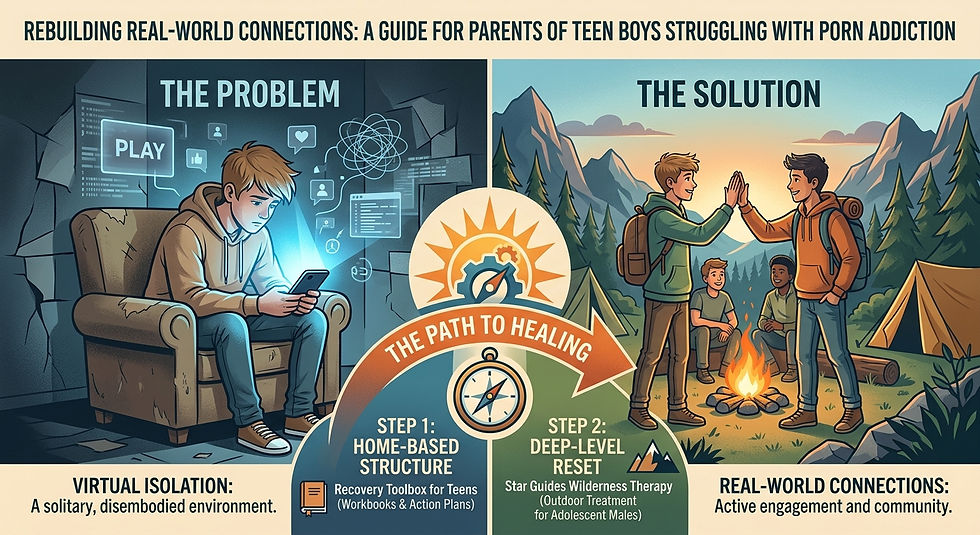
If pornography use is causing significant distress or interfering with daily life, consider consulting a counselor or therapist experienced in adolescent addiction. Early intervention can prevent long-term problems. If your teen struggles with severe addiction or emotional distress, consider professional help. Therapists specializing in adolescent addiction can provide tailored strategies and counseling. Use the Recovery Toolbox for Teens, a comprehensive, structured program designed to deliver evidence-based treatment while offering meaningful guidance and support for both your adolescent and you as a parent throughout the recovery process.
In cases where serious safety risks or unmanageable behavioral issues are present—such as sexually acting out or having experienced sexual abuse, engagement in high-risk online behaviors, severe mental health crises (including suicidality, self-harm, debilitating anxiety, or depression), or when a teen has become entirely unresponsive to parental authority and the cycle of addictive or compulsive behavior can no longer be safely interrupted within the home environment—an intensive, highly structured therapeutic intervention is often essential. Star Guides Wilderness Therapy provides precisely this level of care: a clinically sophisticated, wilderness-based program specifically designed to stabilize acute risks, restore emotional regulation, and rebuild healthy family dynamics when standard outpatient or home-based approaches are no longer sufficient. This proven next-step intervention offers the containment, expert oversight, and transformative experiences that can mark the turning point toward lasting healing.



Comments