


Understanding Pornography Addiction in Teens: The Risks of Dopaminergic Dysregulation on Developing Brains

Pornography addiction among teenagers is a growing concern for many parents. Recent research highlights how this addiction affects the brain’s reward system, particularly the dopaminergic pathways. Understanding these effects is crucial for parents who want to support their teens through this challenge. This post explains the science behind pornography addiction, why it is especially dangerous for developing adolescent brains, and offers practical advice for parents.
What Is Pornography Addiction in Teens?
Pornography addiction, often called problematic pornography use (PPU), occurs when a teen compulsively views pornography despite negative consequences. This behavior can interfere with daily life, relationships, and emotional well-being. Unlike casual or occasional use, addiction involves a loss of control and persistent cravings.
PPU shares characteristics with other behavioral addictions, such as gambling or gaming. These addictions activate the brain’s reward system in similar ways, leading to changes in how the brain processes pleasure and motivation.
The Role of Dopaminergic Pathways in Addiction
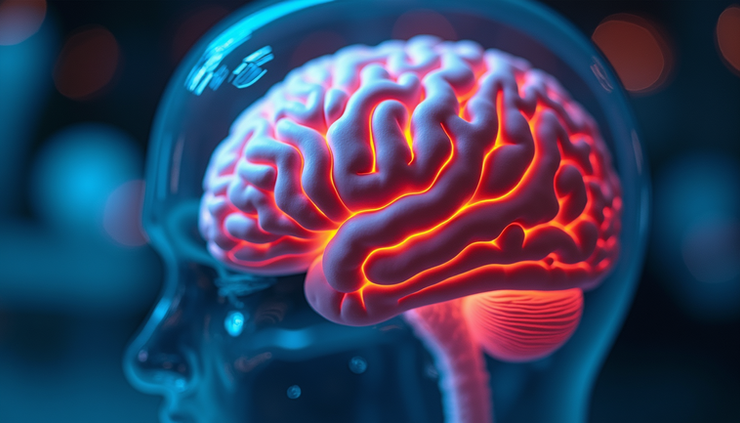
Dopaminergic pathways are networks of neurons in the brain that use dopamine, a key neurotransmitter, to communicate. Dopamine plays a central role in reward, motivation, and learning. When we experience something pleasurable, dopamine is released, reinforcing the behavior.
Research published in 2025 shows that PPU involves dysregulation of these dopaminergic pathways. This means the normal balance of dopamine release and receptor sensitivity is disrupted. The brain becomes less responsive to natural rewards and more dependent on the intense stimulation from pornography.
Why Dopaminergic Dysregulation Is Dangerous for Teens
The adolescent brain is still developing, especially areas involved in decision-making, impulse control, and emotional regulation. Dopaminergic pathways are highly plastic during this time, meaning they can change rapidly in response to experiences.
When teens repeatedly expose their brains to pornography, the dopaminergic system adapts by reducing dopamine receptor availability. This leads to:
Reduced pleasure from everyday activities
Increased cravings for pornography to achieve the same dopamine “high”
Impaired impulse control and decision-making
Greater vulnerability to other addictive behaviors
These changes can create a cycle where the teen feels trapped, needing more pornography to feel normal or satisfied. This cycle can interfere with school, social life, and mental health.
How Pornography Addiction Affects Adolescent Development
The teenage years are critical for building healthy brain circuits that support emotional resilience and social skills. Pornography addiction can disrupt this process in several ways:
Emotional numbness: Dopamine dysregulation can blunt emotional responses, making it harder for teens to connect with others or feel joy.
Distorted views on relationships: Frequent exposure to unrealistic sexual content can shape unhealthy attitudes toward intimacy and consent.
Academic and social decline: Addiction often leads to decreased motivation, concentration problems, and withdrawal from friends and family.
Increased risk of anxiety and depression: Studies link PPU with higher rates of mood disorders, partly due to brain changes and social isolation.
Signs Parents Should Watch For
Recognizing pornography addiction early can help parents intervene before the problem worsens. Some warning signs include:
Spending excessive time online or on devices, especially in private
Avoiding social activities or family events
Mood swings, irritability, or anxiety when access to pornography is blocked
Declining grades or loss of interest in hobbies
Secretive behavior around internet use
Expressing distorted beliefs about sex or relationships
If you notice these signs, it’s important to approach your teen with understanding rather than judgment.
How Parents Can Support Teens Struggling with Pornography Addiction
Helping a teen overcome pornography addiction requires patience, empathy, and practical steps:
Open Communication
Create a safe space for honest conversations. Let your teen know you are there to listen without shame or punishment. Use “I” statements to express concern, such as “I’m worried about how much time you spend online.”
Set Clear Boundaries
Work together to establish reasonable limits on device use and internet access. Consider parental controls or apps that help monitor and restrict content.
Encourage Healthy Activities
Support your teen in finding fulfilling hobbies, sports, or social groups. Positive experiences can help restore natural dopamine balance and reduce cravings.
Seek Professional Help
If addiction symptoms persist or worsen, consult a mental health professional experienced in adolescent addiction. Therapy can address underlying issues and teach coping skills.
Educate About Brain Health
Explain how addiction affects the brain’s reward system and why it’s harder to stop once dopamine pathways are altered. Understanding the science can motivate teens to change.
Practical Example: Supporting a Teen Through Recovery
Consider a 15-year-old named Alex who spends hours daily viewing pornography. His parents notice his grades slipping and his withdrawal from friends. They start by calmly discussing their concerns and agree on screen time limits. Alex joins a local soccer team and begins therapy to address his addiction.
Over several months, Alex reports feeling more motivated and less anxious. His dopamine system gradually recovers as he replaces addictive behaviors with healthier ones. This example shows how combined support and professional guidance can lead to positive change.
Final Thoughts on Protecting Developing Brains
Pornography addiction disrupts the delicate balance of dopaminergic pathways in adolescent brains. This dysregulation can have lasting effects on emotional health, behavior, and development. Parents play a vital role in recognizing signs early and providing support.
By fostering open communication, setting boundaries, encouraging healthy habits, and seeking help when needed, families can help teens regain control and build a healthier future.
If you suspect your teen struggles with pornography addiction, start the conversation today. Understanding the brain science behind addiction empowers you to guide your teen toward recovery and resilience.
Resources for Parents and Teens
If pornography and/or dangerous online sexual behaviors is causing significant distress or interfering with daily life, consider consulting a counselor or therapist experienced in adolescent addiction. Early intervention can prevent long-term problems. If your teen struggles with severe addiction or emotional distress, consider professional help. Therapists specializing in adolescent addiction can provide tailored strategies and counseling. Use the Recovery Toolbox for Teens, a comprehensive, structured program designed to deliver evidence-based treatment while offering meaningful guidance and support for both your adolescent and you as a parent throughout the recovery process.
In cases where serious safety risks or unmanageable behavioral issues are present—such as sexually acting out or having experienced sexual abuse, engagement in high-risk online behaviors, severe mental health crises (including suicidality, self-harm, debilitating anxiety, or depression), or when a teen has become entirely unresponsive to parental authority and the cycle of addictive or compulsive behavior can no longer be safely interrupted within the home environment—an intensive, highly structured therapeutic intervention is often essential. Star Guides Wilderness Therapy provides precisely this level of care: a clinically sophisticated, wilderness-based program specifically designed to stabilize acute risks, restore emotional regulation, and rebuild healthy family dynamics when standard outpatient or home-based approaches are no longer sufficient. This proven next-step intervention offers the containment, expert oversight, and transformative experiences that can mark the turning point toward lasting healing.


Comments