


Understanding the Impact of Pornography on Your Teen's Sexual Behavior

Parents today face many challenges in guiding their teens through adolescence, especially when it comes to understanding their sexual development. One issue that often remains difficult to discuss openly is the influence of pornography on teens' sexual behavior and satisfaction. Recent research involving U.S. adolescents sheds light on how pornography exposure shapes the way teens think about and act in sexual relationships. This post explores these findings and offers practical advice for parents concerned about their teen’s well-being.

How Pornography Shapes Sexual Scripts in Teens
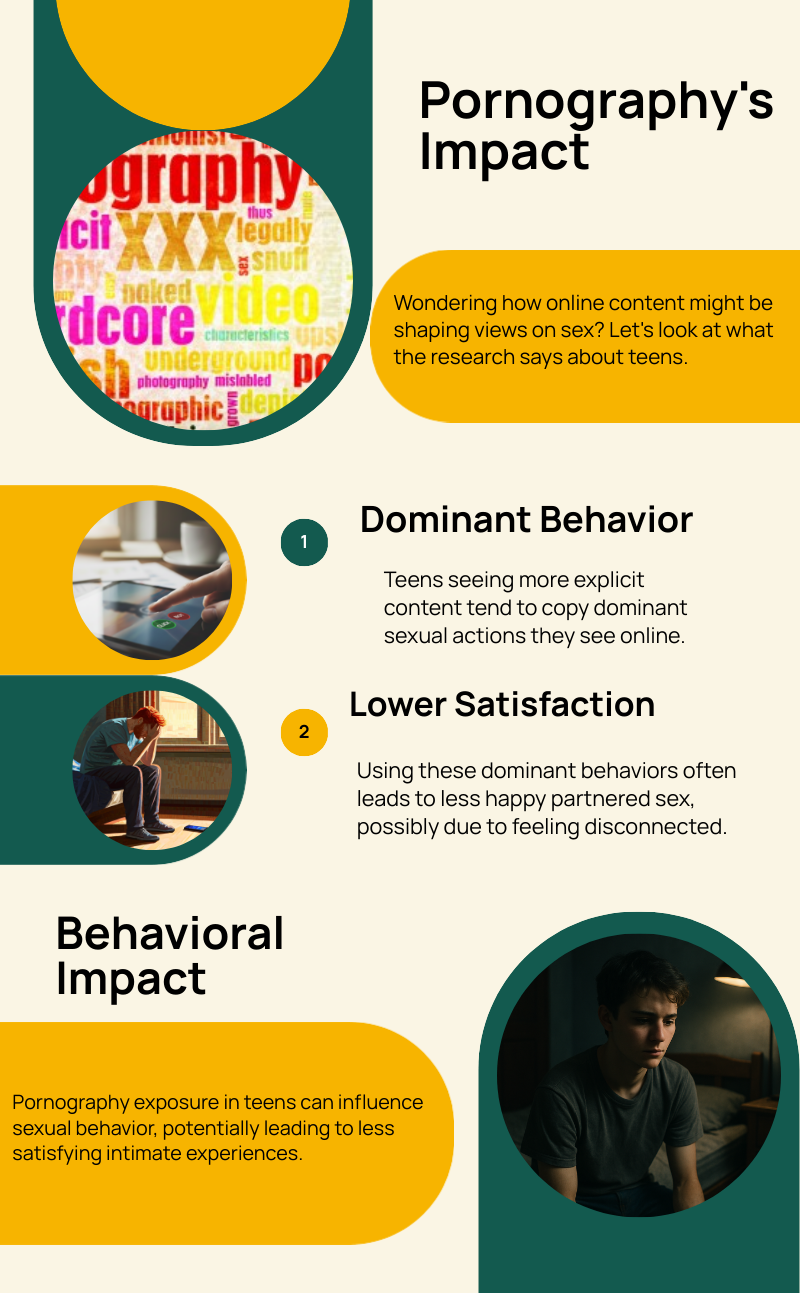
Sexual scripts are mental guides that help individuals understand how to behave in sexual situations. Teens develop these scripts from various sources, including family, peers, media, and increasingly, pornography. Recent replication studies by Wright et al. (2025) show that teens exposed to more pornography tend to adopt sexual scripts emphasizing dominance and control.
This means that teens may come to believe that sexual encounters should involve one partner taking charge in a dominant way. These scripts can influence how they approach relationships and intimacy, often without the balance of emotional connection or mutual respect.
What Sexual Dominance Looks Like in Teens
Sexual dominance learned from pornography can show up in different ways:
Teens may insist on controlling sexual activities or decisions.
They might mimic aggressive or commanding behaviors seen in pornographic content.
Emotional distance can increase as the focus shifts from connection to control.
Parents might notice changes in how their teen talks about relationships or behaves with peers. For example, a teen might express frustration when their partner wants to discuss feelings or boundaries, preferring instead to focus on physical aspects.
The Link Between Dominant Behaviors and Reduced Sexual Satisfaction
The research also highlights a troubling connection: teens who enact dominant sexual behaviors learned from pornography often report lower satisfaction in partnered sexual experiences. This is likely because dominance can create emotional distance, reducing intimacy and mutual enjoyment.
Why Satisfaction Drops
Emotional connection is key to fulfilling sexual experiences. When one partner dominates, the other may feel disconnected or unheard.
Dominant behaviors can lead to misunderstandings or discomfort, especially if the partner’s needs are overlooked.
Teens may struggle to communicate openly about desires and boundaries, which harms satisfaction.
For parents, this means that pornography exposure can indirectly affect how happy and comfortable teens feel in their relationships. It’s not just about what teens see but how they apply those lessons in real life.
Practical Steps for Parents to Support Their Teens
Understanding these dynamics is the first step. Parents can take several practical actions to help their teens develop healthier attitudes toward sex and relationships.
Open Conversations About Sexuality
Create a safe space where your teen feels comfortable asking questions.
Discuss the difference between pornography and real-life relationships.
Emphasize respect, consent, and emotional connection as foundations for healthy intimacy.
Educate About Media Influence
Explain how pornography often exaggerates or distorts sexual behavior.
Encourage critical thinking about the messages teens receive from media.
Share age-appropriate resources that promote positive sexual education.
Encourage Emotional Awareness
Help your teen recognize their feelings and those of their partners.
Model healthy communication and empathy in your own relationships.
Support your teen in setting boundaries and expressing their needs clearly.
Seek Professional Help if Needed
If you notice signs of addiction or distress related to pornography use, consider consulting a counselor or therapist who specializes in adolescent sexual health. Early intervention can prevent long-term issues with relationships and self-esteem.
Recognizing Warning Signs of Pornography Impact
Parents should be aware of behaviors that might indicate unhealthy pornography influence:
Increased secrecy or withdrawal from family and friends.
Changes in mood, such as irritability or anxiety.
Difficulty forming or maintaining close relationships.
Expressing unrealistic or aggressive views about sex.
Addressing these signs early can help your teen develop a balanced and satisfying approach to sexuality.
Building a Foundation for Healthy Sexual Development
The goal is to guide teens toward sexual experiences that are respectful, consensual, and emotionally fulfilling. Parents play a crucial role by providing accurate information, emotional support, and a model of healthy relationships.
By understanding the impact of pornography on sexual scripts and satisfaction, parents can better support their teens in navigating this complex part of growing up.
Resources for Parents and Teens
Outpatient Support and Early Intervention
If online behaviors or pornography use cause significant distress or interfere with daily life, consider consulting a therapist specializing in adolescent addiction. Early intervention is key to preventing long-term complications.
For structured support, the Recovery Toolbox for Teens offers an evidence-based program that provides tailored strategies and guidance for both parents and adolescents throughout the recovery process.
Intensive Therapeutic Intervention
When home-based or outpatient care is insufficient—particularly in cases involving safety risks, sexual trauma, severe mental health crises, or unmanageable compulsive behaviors—a higher level of clinical structure is necessary.
Star Guides Wilderness Therapy provides specialized, clinically sophisticated care in a wilderness setting. This program is designed to:
Stabilize acute risks and behavioral crises.
Restore emotional regulation.
Rebuild healthy family dynamics through expert oversight and intensive containment.
This transition marks a critical turning point for families requiring a safe, transformative environment to interrupt the cycle of addiction and begin lasting healing.


Comments