


Understanding Withdrawal Symptoms in Early Recovery from Pornography Addiction in Teens

Pornography addiction among teens is a growing concern for many parents. When a teen decides to step away from this habit, the early stages of recovery can be especially challenging. Many parents underestimate the intensity of withdrawal symptoms, which can make the process feel overwhelming for both the teen and the family. Understanding these symptoms and preparing for them can make a significant difference in supporting your teen through recovery.

What Happens in Early Recovery
When a teen stops using pornography, their brain and body go through a period of adjustment. Pornography addiction rewires the brain’s reward system, and suddenly removing the stimulus causes withdrawal symptoms similar to other behavioral addictions. These symptoms are often misunderstood or dismissed as simple moodiness or teenage angst.
Common Withdrawal Symptoms in Teens
Irritability and mood swings: Teens may become easily frustrated or angry without clear reasons.
Anxiety and restlessness: Feelings of nervousness or unease can spike, making it hard to focus.
Depression and low mood: A sense of sadness or hopelessness may appear, sometimes unexpectedly.
Strong cravings: The urge to return to pornography can feel intense and persistent.
Sleep disturbances: Difficulty falling asleep or staying asleep is common.
Difficulty concentrating: Schoolwork and daily tasks may become harder to manage.
These symptoms can last for weeks or even months, depending on the individual and the severity of the addiction.
Why Parents Often Underestimate Withdrawal Symptoms
Parents may expect that once their teen stops using pornography, the problem is solved. This misunderstanding can lead to frustration on both sides. Teens might feel isolated or misunderstood when their intense emotions and cravings are dismissed as temporary or exaggerated.
The Impact of Underestimating Symptoms
Teens may feel ashamed or reluctant to share their struggles.
Parents might misinterpret withdrawal symptoms as defiance or lack of willpower.
The recovery process can feel unbearable, increasing the risk of relapse.
Family relationships may become strained due to miscommunication.
Recognizing that these symptoms are part of the healing process helps parents provide the right support.
How to Support Your Teen Through Early Recovery
Supporting a teen through withdrawal requires patience, understanding, and practical strategies. Here are some ways parents can help:
Create a Safe and Open Environment
Encourage honest conversations without judgment.
Validate their feelings and struggles.
Avoid punishment or harsh criticism related to withdrawal behaviors.
Prepare for Mood Swings and Anxiety
Help your teen develop healthy coping skills like deep breathing, journaling, or physical activity.
Consider professional support such as therapy or counseling specializing in addiction recovery.
Monitor for signs of severe depression or anxiety that may require medical attention.
Manage Cravings and Triggers
Identify and reduce exposure to triggers such as certain websites, apps, or social situations.
Encourage involvement in hobbies, sports, or social groups that promote positive engagement.
Use technology tools like parental controls or accountability software if appropriate.
Support Healthy Sleep Habits
Establish a consistent bedtime routine.
Limit screen time before bed.
Create a calm, comfortable sleeping environment.
Insights from Recovery Experts and Community Experiences
Therapists and recovery specialists emphasize that withdrawal symptoms are a normal part of the healing process. They recommend a combination of behavioral strategies and emotional support to navigate this phase successfully.
Case Example
One recovery counselor shared the story of a 16-year-old who experienced severe irritability and insomnia during the first month of recovery. With the support of his parents and weekly therapy sessions, he learned to manage his anxiety through mindfulness exercises and gradually regained control over his impulses. His parents’ understanding and patience were crucial in preventing relapse.
Community forums for parents also highlight the importance of peer support. Connecting with other families facing similar challenges can provide valuable advice and emotional encouragement.
When to Seek Professional Help
If your teen’s withdrawal symptoms include persistent depression, thoughts of self-harm, or extreme anxiety, it is important to seek professional help immediately. Addiction recovery specialists, therapists, and medical professionals can provide tailored treatment plans and, if necessary, medication to support mental health.
Moving Forward with Hope and Realistic Expectations
Recovery from pornography addiction is a journey that requires time and effort. Early withdrawal symptoms are tough but temporary. With the right support, teens can overcome these challenges and build healthier habits.
Parents play a vital role by recognizing the seriousness of withdrawal symptoms and responding with empathy and practical help. Preparing for this phase can reduce frustration and strengthen your teen’s chances of lasting recovery.
Next steps: If your teen is beginning recovery, consider reaching out to a qualified therapist who specializes in addiction. Explore support groups for families and educate yourself about withdrawal symptoms to better understand what your teen is experiencing.
Resources for Parents and Teens
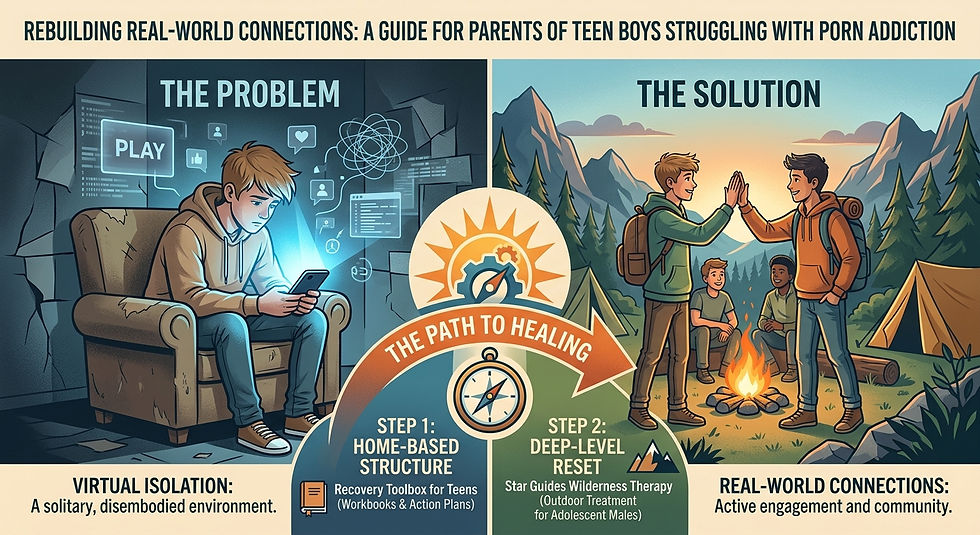
If pornography and/or dangerous online sexual behaviors is causing significant distress or interfering with daily life, consider consulting a counselor or therapist experienced in adolescent addiction. Early intervention can prevent long-term problems. If your teen struggles with severe addiction or emotional distress, consider professional help. Therapists specializing in adolescent addiction can provide tailored strategies and counseling. Use the Recovery Toolbox for Teens, a comprehensive, structured program designed to deliver evidence-based treatment while offering meaningful guidance and support for both your adolescent and you as a parent throughout the recovery process.
In cases where serious safety risks or unmanageable behavioral issues are present—such as sexually acting out or having experienced sexual abuse, engagement in high-risk online behaviors, severe mental health crises (including suicidality, self-harm, debilitating anxiety, or depression), or when a teen has become entirely unresponsive to parental authority and the cycle of addictive or compulsive behavior can no longer be safely interrupted within the home environment—an intensive, highly structured therapeutic intervention is often essential. Star Guides Wilderness Therapy provides precisely this level of care: a clinically sophisticated, wilderness-based program specifically designed to stabilize acute risks, restore emotional regulation, and rebuild healthy family dynamics when standard outpatient or home-based approaches are no longer sufficient. This proven next-step intervention offers the containment, expert oversight, and transformative experiences that can mark the turning point toward lasting healing.


Comments